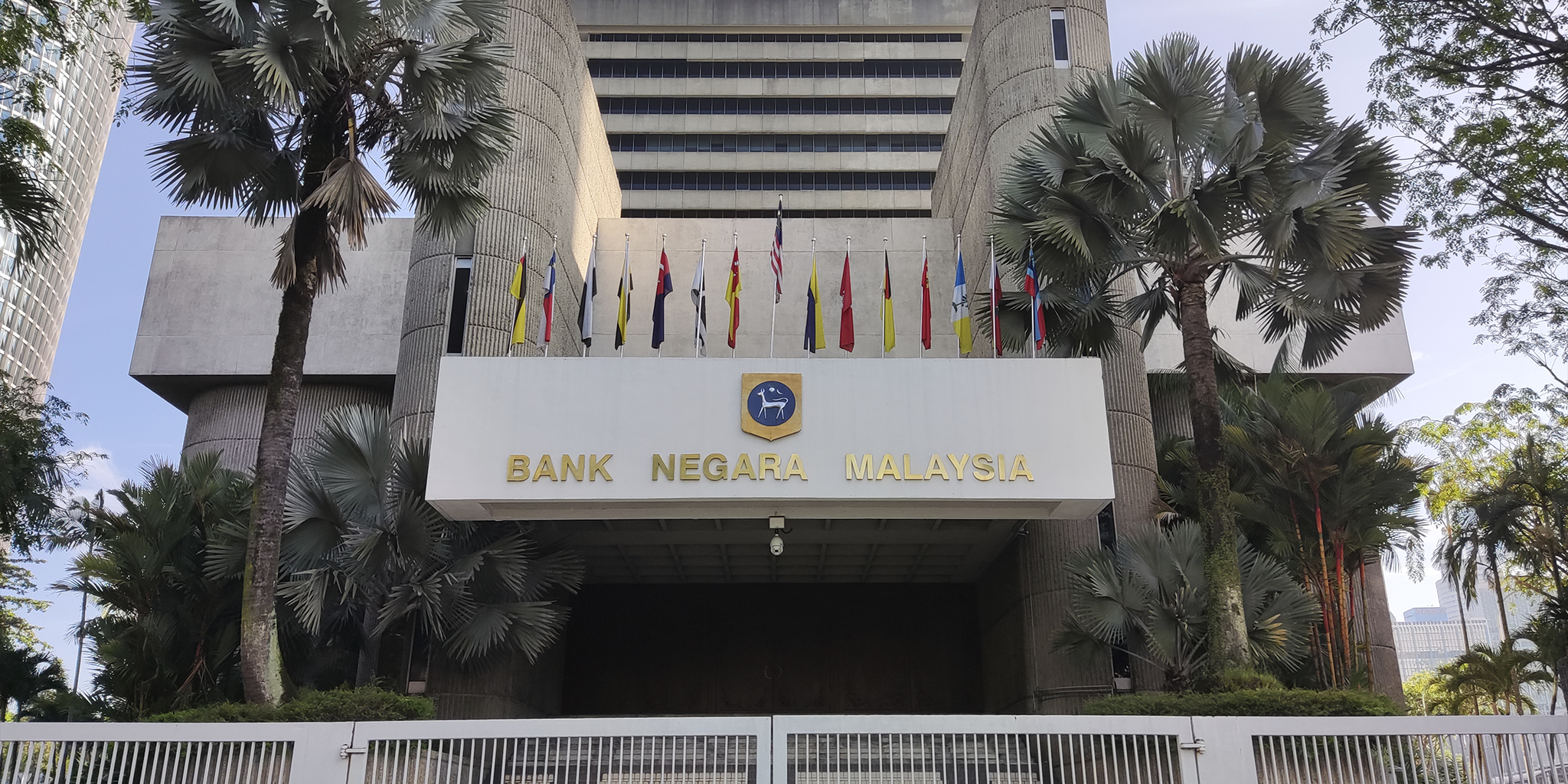
Malaysia Central Bank Unveils Ambitious Three-Year Roadmap to Pioneer Asset Tokenization in Southeast Asia
Kuala Lumpur, Malaysia – October 31, 2025 — In a bold move that positions Malaysia at the forefront of blockchain-based financial innovation in Southeast Asia, Bank Negara Malaysia (BNM), the nation's central bank, has unveiled an ambitious three-year roadmap to systematically explore, test, and implement asset tokenization across the country's financial sector. The groundbreaking initiative, announced Friday, signals Malaysia's commitment to modernizing its financial infrastructure while maintaining regulatory oversight and financial stability.
1. The Historic Announcement: Malaysia's Digital Asset Vision
Bank Negara Malaysia's comprehensive tokenization roadmap represents one of the most structured and ambitious national approaches to blockchain-based asset digitization announced by any central bank globally. The initiative leverages BNM's recently established Digital Asset Innovation Hub (DAIH), launched earlier in 2025, to serve as the testing ground for proof-of-concept projects and live pilot programs.
The announcement comes at a pivotal moment in global finance, as central banks worldwide grapple with how to harness blockchain technology's potential while managing risks associated with digital assets. Malaysia's methodical, phased approach stands in contrast to more cautious strategies adopted by some Western regulators, positioning the country as a potential regional hub for tokenized financial services.
Key Components of the Roadmap
The three-year initiative encompasses several interconnected elements designed to build a comprehensive ecosystem for asset tokenization:
- Digital Asset Innovation Hub (DAIH): Central testing facility for POC projects and live pilots
- Asset Tokenization Industry Working Group (IWG): Collaborative body coordinating industry-wide exploration
- Regulatory Framework Development: Identification and resolution of legal and compliance challenges
- Multi-Stakeholder Engagement: Industry feedback period extending to March 1, 2026
- Phased Implementation: Systematic rollout prioritizing high-value use cases
2. The Asset Tokenization Industry Working Group: Collaboration at Scale
Central to Malaysia's tokenization strategy is the creation of the Asset Tokenization Industry Working Group (IWG), a collaborative initiative that brings together regulators, financial institutions, technology providers, and market participants under unified leadership.
Leadership and Structure
The working group will be co-led by two of Malaysia's most powerful financial regulators:
- Bank Negara Malaysia (BNM): The central bank responsible for monetary policy and financial stability
- Securities Commission Malaysia (SC): The capital markets regulator overseeing securities and derivatives
This dual leadership structure ensures that tokenization initiatives address both banking sector considerations and capital markets implications, providing comprehensive regulatory oversight while fostering innovation.
Core Mandates and Objectives
The Industry Working Group has been tasked with several critical responsibilities that will shape Malaysia's digital asset ecosystem:
- Industry-Wide Coordination: Aligning efforts across financial institutions, fintechs, and technology providers
- Knowledge Sharing: Facilitating the exchange of technical expertise and best practices
- Regulatory Gap Analysis: Identifying legal and compliance challenges requiring legislative action
- Use Case Prioritization: Focusing initial efforts on applications demonstrating clear economic value
- Standards Development: Establishing industry standards for tokenization protocols and interoperability
Foundational Use Cases: Starting with Economic Value
Rather than pursuing tokenization for its own sake, the IWG will initially concentrate on foundational use cases that deliver demonstrable economic benefits. This pragmatic approach ensures that early implementations build credibility and create tangible value for market participants, establishing a solid foundation for broader adoption.
3. Target Use Cases: From Supply Chain to Islamic Finance
Bank Negara Malaysia has outlined a diverse array of use cases that highlight the breadth of tokenization's potential applications across the financial sector. Importantly, the central bank has explicitly clarified that these initiatives will focus on real-world asset tokenization, not cryptocurrencies like Bitcoin or Ethereum.
Supply Chain Financing: Democratizing SME Credit Access
One of the most promising applications targets supply chain financing, addressing a critical pain point for small and medium enterprises (SMEs) that struggle to access affordable credit. By tokenizing supply chain receivables, invoices, and inventory, financial institutions can:
- Reduce verification and processing costs through automated smart contracts
- Enable fractional ownership of supply chain assets, expanding the investor base
- Accelerate settlement times from days to minutes
- Improve transparency and reduce fraud through immutable blockchain records
- Expand credit availability to previously underserved SMEs
Tokenized Liquidity Management: Real-Time Settlement Revolution
The roadmap emphasizes tokenized liquidity management as a mechanism to revolutionize how financial institutions manage their cash positions and execute settlements. Traditional liquidity management involves significant operational overhead and settlement delays; tokenization promises to compress these timeframes dramatically:
- Instant Settlement: Near-instantaneous transfer of value between institutions
- 24/7 Operations: Continuous liquidity management unconstrained by banking hours
- Collateral Optimization: Dynamic reallocation of tokenized collateral across multiple transactions
- Capital Efficiency: Reduced capital requirements through faster settlement cycles
Islamic Finance Applications: Shariah-Compliant Automation
Malaysia's position as a global Islamic finance hub makes the inclusion of Islamic finance tokenization particularly significant. Smart contracts can automate complex Shariah-compliant transactions while ensuring adherence to Islamic principles:
- Sukuk Tokenization: Digital issuance and trading of Islamic bonds
- Automated Profit Distribution: Smart contracts ensuring compliant profit-sharing arrangements
- Asset-Backed Structures: Transparent linkage between tokens and underlying Shariah-compliant assets
- Wakala and Mudaraba Contracts: Programmable execution of Islamic investment principles
- Zakat Calculation: Automated charitable giving calculations for tokenized assets
Additional Priority Applications
Beyond these core use cases, the roadmap identifies several other high-potential applications:
- Programmable Payments: Conditional transfers executing automatically upon predefined triggers
- Green Finance: Tokenized environmental assets and carbon credits with verifiable impact tracking
- Cross-Border Trade Settlement: 24/7 international transactions eliminating correspondent banking delays
- Real Estate Tokenization: Fractional property ownership expanding investment access
- Securities Settlement: Delivery-versus-payment for tokenized stocks and bonds
4. Tokenized Deposits and Stablecoins: The MYR Digital Strategy
Perhaps the most significant aspect of Malaysia's tokenization roadmap is the central bank's commitment to studying MYR-denominated tokenized deposits and stablecoins. This initiative addresses fundamental questions about the future of money in a digital economy.
Preserving the Singleness of Money
BNM has emphasized that any tokenized money initiatives must preserve the "singleness of money"—ensuring that digital representations of the Malaysian ringgit maintain equivalence with traditional bank deposits and physical currency. This principle guards against fragmentation of the monetary system that could undermine financial stability.
Tokenized Bank Deposits
Tokenized deposits represent traditional bank account balances on blockchain infrastructure, offering several advantages:
- Programmability: Deposits can execute conditional transfers via smart contracts
- Composability: Seamless integration with decentralized finance (DeFi) protocols
- Instant Settlement: Real-time transfers between institutions without clearing delays
- Deposit Insurance Continuity: Maintaining existing consumer protections
- Regulatory Oversight: Banks remain subject to existing prudential requirements
MYR-Backed Stablecoins
Stablecoins backed by Malaysian ringgit reserves could facilitate digital commerce and cross-border payments while maintaining regulatory control:
- Reserve Requirements: Full backing by MYR deposits or government securities
- Redemption Guarantees: One-to-one convertibility with traditional MYR
- Licensed Issuers: Only regulated entities authorized to issue MYR stablecoins
- Transparency Standards: Regular audits and reserve attestations
- Interoperability: Compatibility across multiple blockchain networks
Balancing Innovation and Stability
BNM's cautious approach to tokenized money reflects the delicate balance between fostering innovation and maintaining monetary sovereignty. The central bank will study how these instruments can enable efficient digital settlement without compromising financial stability or monetary policy effectiveness.
5. Wholesale CBDC Integration: The Digital Ringgit Foundation
The roadmap explicitly mentions exploration of wholesale central bank digital currency (CBDC) integration, suggesting that Malaysia may develop a digital ringgit for interbank settlement and institutional transactions.
Wholesale vs. Retail CBDC
Unlike retail CBDCs intended for consumer use, wholesale CBDCs target institutional participants:
- Interbank Settlement: Banks settling obligations directly on central bank infrastructure
- Securities Settlement: Delivery-versus-payment using central bank digital currency
- Cross-Border Payments: Direct central bank-to-central bank digital settlements
- Monetary Policy Implementation: More direct transmission of policy decisions
International Cooperation Opportunities
A Malaysian wholesale CBDC could integrate with similar initiatives across Asia:
- Project Dunbar: Multi-CBDC platform for cross-border payments
- ASEAN Integration: Regional payment connectivity using CBDCs
- China's Digital Yuan: Potential interoperability for bilateral trade
- Singapore's Project Ubin: Cross-border wholesale CBDC experiments
Technical Architecture Considerations
Key technical questions that BNM will address include:
- Distributed Ledger Technology: Which blockchain platform to deploy
- Privacy Features: Balancing transparency with confidentiality needs
- Scalability Requirements: Processing capacity for peak transaction volumes
- Smart Contract Capabilities: Programmability for complex settlement scenarios
- Offline Functionality: Resilience during network disruptions
6. Regional Leadership: Joining Singapore and Hong Kong
Malaysia's tokenization roadmap positions the country alongside regional leaders Singapore and Hong Kong, both of which have made significant strides in asset tokenization and digital finance innovation.
Singapore's Monetary Authority (MAS): The Benchmark
The Monetary Authority of Singapore has pioneered several tokenization initiatives that Malaysia appears to be emulating:
- Project Guardian: Industry-wide collaboration on asset tokenization with major global banks
- Tokenized Government Securities: Digital bonds issued on blockchain infrastructure
- Variable Capital Companies: Legal structures facilitating tokenized fund management
- Digital Asset Licensing: Comprehensive regulatory framework for crypto businesses
Hong Kong Monetary Authority (HKMA): China Gateway
Hong Kong's approach focuses on serving as the bridge between China and global markets:
- Project Ensemble: Wholesale CBDC and tokenization sandbox
- Green Bond Tokenization: Environmental securities issued on blockchain
- Digital Currency Pilot: Testing e-HKD for retail and wholesale applications
- Crypto Exchange Licensing: Regulated market for digital asset trading
Malaysia's Differentiation Strategy
While drawing inspiration from Singapore and Hong Kong, Malaysia brings unique advantages:
- Islamic Finance Expertise: Global leadership in Shariah-compliant financial products
- ASEAN Central Position: Geographic and economic hub for Southeast Asian trade
- Cost Competitiveness: Lower operational costs than Singapore or Hong Kong
- Regulatory Pragmatism: Balanced approach between innovation and oversight
- Talent Pool: Growing fintech ecosystem with strong technical capabilities
7. Implementation Timeline and Feedback Period
Bank Negara Malaysia has established a clear timeline for stakeholder engagement and implementation phases.
Public Consultation Period
The central bank has opened its discussion paper for industry feedback until March 1, 2026, providing a four-month window for market participants to submit comments, suggestions, and concerns. This consultation period reflects BNM's commitment to collaborative policy development rather than top-down mandates.
Expected Stakeholder Participation
The consultation will likely attract submissions from diverse constituencies:
- Commercial Banks: Guidance on tokenized deposits and liquidity management
- Investment Banks: Securities tokenization and capital markets applications
- Fintech Companies: Technology standards and licensing requirements
- Islamic Financial Institutions: Shariah compliance for tokenized products
- Technology Vendors: Infrastructure providers and blockchain platforms
- Legal Professionals: Regulatory clarity and legal frameworks
- Academic Institutions: Research perspectives and risk assessments
Three-Year Roadmap Phases
While BNM hasn't published detailed phase breakdowns, the three-year timeline likely follows this structure:
- Year 1 (2025-2026): Consultation, use case selection, POC development, regulatory framework drafting
- Year 2 (2026-2027): Live pilots launch, testing and refinement, regulatory finalization
- Year 3 (2027-2028): Scaled implementations, industry adoption, ecosystem maturation
8. Regulatory and Legal Considerations
One of the Industry Working Group's primary responsibilities involves identifying and addressing regulatory and legal challenges that could impede tokenization adoption.
Key Legal Questions
Several fundamental legal issues require resolution:
- Property Rights: How are ownership rights of tokenized assets legally recognized and enforced?
- Custody Arrangements: Who holds legal responsibility for tokenized asset safekeeping?
- Insolvency Treatment: How are tokenized assets treated in bankruptcy proceedings?
- Smart Contract Legal Status: Are self-executing contracts legally binding under Malaysian law?
- Cross-Border Recognition: How are Malaysian tokenized assets recognized in foreign jurisdictions?
Regulatory Challenges
The existing regulatory framework requires adaptation to accommodate tokenization:
- Securities Definition: When do tokenized assets constitute securities requiring SC oversight?
- Banking License Requirements: Do tokenized deposit providers need banking licenses?
- Capital Requirements: How should banks calculate capital charges for tokenized assets?
- Anti-Money Laundering: KYC and AML procedures for blockchain-based transactions
- Consumer Protection: Safeguards for retail investors in tokenized products
Harmonization with International Standards
Malaysia will need to align its framework with international regulatory developments:
- Financial Stability Board (FSB): Global standard-setter for financial regulation
- Bank for International Settlements (BIS): Central bank policy coordination
- Financial Action Task Force (FATF): Anti-money laundering standards
- International Organization of Securities Commissions (IOSCO): Capital markets regulation
9. Malaysia's Broader Crypto Policy Evolution
The asset tokenization roadmap represents the latest chapter in Malaysia's evolving approach to digital assets, which has progressively become more sophisticated and welcoming.
July 2025: Streamlined Crypto Exchange Listings
In July 2025, the Securities Commission Malaysia proposed a revolutionary framework allowing approved exchanges to list certain cryptocurrencies without prior regulatory approval. This marked a significant shift from the previous approval-intensive regime.
Key Features of the Self-Listing Framework
- Pre-Approved Exchange Authority: Licensed exchanges can list assets meeting objective criteria
- Security Audit Requirement: Assets must undergo public security audits before listing
- Trading History Mandate: Minimum one-year trading history on FATF-compliant platforms
- Risk Assessment Protocols: Exchanges must conduct due diligence on each asset
- Ongoing Monitoring: Continuous surveillance for market manipulation or fraud
Impact on Market Development
This framework accelerates asset availability while maintaining investor protection:
- Faster Market Entry: Reduces listing timeline from months to weeks
- Competitive Positioning: Malaysian exchanges can offer broader asset selection
- Innovation Encouragement: Lower barriers for novel digital assets
- Regulatory Efficiency: SC can focus oversight on higher-risk activities
Early 2025: Digital Asset Innovation Hub Launch
The establishment of the Digital Asset Innovation Hub earlier in 2025 created the infrastructure foundation for the tokenization roadmap. The hub serves multiple critical functions:
- Regulatory Sandbox: Controlled environment for testing novel technologies
- Proof-of-Concept Testing: Validation of technical feasibility before market launch
- Industry Collaboration Space: Neutral venue for multi-stakeholder projects
- Knowledge Development: Building regulatory expertise in emerging technologies
Progressive Regulatory Philosophy
These initiatives collectively reveal Malaysia's regulatory philosophy:
- "Same Activity, Same Risk, Same Regulation": Technology-neutral principles
- Innovation-Friendly Oversight: Enabling experimentation within guardrails
- Iterative Policy Development: Learning from pilots before scaling
- Industry Co-Creation: Collaborative development with market participants
10. Global Context: The Tokenization Mega-Trend
Malaysia's initiative aligns with a global wave of asset tokenization adoption by traditional financial institutions and central banks.
Wall Street's Tokenization Embrace
Major financial institutions have launched significant tokenization initiatives:
- BlackRock's BUIDL Fund: Tokenized money market fund on blockchain
- JPMorgan's Onyx: Blockchain-based payment and securities settlement platform
- Franklin Templeton: On-chain money market fund with billions in assets
- Goldman Sachs Digital Assets: Platform for tokenized financial instruments
- Citigroup Token Services: Institutional-grade tokenization infrastructure
Central Bank Initiatives Worldwide
Central banks across continents are exploring similar paths:
- European Central Bank: Wholesale CBDC experiments and digital euro preparation
- Bank of England: Digital pound consultation and tokenized gilt pilots
- Swiss National Bank: Project Helvetia testing wholesale CBDC settlement
- Reserve Bank of Australia: Project Atom exploring tokenized CBDC use cases
- Central Bank of Brazil: Digital real pilot and regulatory framework
Tokenized Money Market Funds: The Stablecoin Alternative
Recent months have seen explosive growth in tokenized money market funds, which offer institutional investors blockchain-based alternatives to traditional stablecoins:
- Regulatory Advantages: Subject to existing securities regulation rather than uncertain stablecoin rules
- Yield Generation: Investors earn returns unlike non-interest-bearing stablecoins
- Institutional Credibility: Operated by established asset managers
- Rapid Growth: Assets under management growing exponentially
Malaysia's Strategic Positioning
By moving decisively on tokenization, Malaysia positions itself to:
- Attract Capital Flows: Becoming a hub for tokenized asset issuance and trading
- Capture Technology Leadership: Building expertise in cutting-edge financial technology
- Influence Standards: Shaping regional and potentially global tokenization norms
- Economic Competitiveness: Modernized financial infrastructure attracting businesses
11. Risks and Challenges Ahead
Despite the promising roadmap, Malaysia faces significant challenges in executing its tokenization vision.
Technical Complexity
- Interoperability: Ensuring compatibility across different blockchain platforms
- Scalability: Handling transaction volumes during market stress
- Security Vulnerabilities: Protecting against hacks and exploits
- Oracle Reliability: Ensuring accurate real-world data feeds to smart contracts
- Upgrade Governance: Managing protocol changes without disrupting operations
Market Adoption Uncertainty
- Network Effects: Tokenization requires critical mass to provide value
- Legacy System Integration: Bridging tokenized and traditional infrastructure
- User Education: Training market participants on new technologies
- Business Model Disruption: Incumbent resistance to transformative change
Regulatory Coordination
- Cross-Agency Alignment: Ensuring BNM and SC maintain consistent policies
- International Cooperation: Harmonizing with foreign regulatory frameworks
- Adaptive Regulation: Keeping pace with rapid technological evolution
- Enforcement Challenges: Monitoring decentralized and pseudonymous systems
Financial Stability Concerns
- Systemic Risk: Interconnected tokenized systems amplifying shocks
- Market Fragmentation: Multiple competing standards reducing efficiency
- Liquidity Crises: Smart contract failures triggering rapid unwinding
- Cyber Attacks: Nation-state or criminal targeting of critical infrastructure
12. Islamic Finance Leadership: A Unique Competitive Advantage
Malaysia's global prominence in Islamic finance provides a distinctive edge in the tokenization race that competitors cannot easily replicate.
The Islamic Finance Opportunity
With over $3 trillion in global Islamic finance assets and growing rapidly, the market for Shariah-compliant tokenized products is enormous:
- Sukuk Market: $700+ billion in outstanding Islamic bonds suitable for tokenization
- Islamic Banking Assets: $2+ trillion potentially benefiting from tokenized infrastructure
- Takaful Insurance: Islamic insurance products enabling tokenization efficiencies
- Islamic Funds: Investment vehicles leveraging tokenized asset management
Shariah-Compliant Smart Contracts
Tokenization technology aligns remarkably well with Islamic finance principles:
- Asset-Backing Requirement: Blockchain provides transparent linkage to underlying real assets
- Profit-Sharing Automation: Smart contracts execute mudaraba and musharakah arrangements programmatically
- Riba Prohibition: Tokenized structures can eliminate interest-bearing elements
- Gharar Reduction: Blockchain transparency minimizes excessive uncertainty
- Halal Compliance: Automated verification of Shariah-compliant activities
Global Islamic Finance Hub Strategy
By combining tokenization with Islamic finance expertise, Malaysia can become the undisputed global center for tokenized Islamic financial products:
- First-Mover Advantage: Establishing standards before competitors
- Network Effects: Attracting Islamic finance issuers and investors globally
- Regulatory Certainty: Clear Shariah guidance for tokenized products
- Ecosystem Development: Building supporting infrastructure and expertise
13. Potential Economic Impact
Successful implementation of the tokenization roadmap could generate substantial economic benefits for Malaysia.
Financial Services Sector Growth
- Job Creation: Thousands of positions in fintech, blockchain development, and compliance
- Investment Attraction: Foreign capital flowing to tokenization projects and infrastructure
- Export Services: Malaysian firms providing tokenization solutions regionally
- Tax Revenue: Expanded financial services activity generating government income
SME Credit Access Expansion
Tokenized supply chain financing could meaningfully expand credit availability:
- $10+ billion: Potential additional SME financing capacity through tokenization
- Lower Interest Rates: Reduced friction cutting financing costs for small businesses
- Economic Growth: Better-funded SMEs driving employment and GDP expansion
Trade Finance Efficiency
24/7 cross-border settlement could significantly reduce trade finance costs:
- Settlement Time Reduction: From days to minutes, improving working capital
- Cost Savings: Eliminating intermediary fees and foreign exchange spreads
- Trade Volume Growth: Lower friction enabling more international commerce
Positioning as Regional Hub
Malaysia could capture a disproportionate share of Southeast Asia's tokenized asset market:
- ASEAN Hub: Central location for regional tokenized asset trading and settlement
- Time Zone Advantage: Bridging Asian and European trading hours
- English Proficiency: Language capabilities facilitating international business
- Cost Competitiveness: Lower operational costs than Singapore or Hong Kong
14. Technology Infrastructure and Standards
Successful tokenization requires robust technical infrastructure and clear interoperability standards.
Blockchain Platform Selection
Malaysia will need to decide which blockchain technologies to support:
- Permissioned vs. Public: Tradeoffs between control and decentralization
- Ethereum Compatibility: Leveraging existing ecosystem and developer tools
- Enterprise Solutions: Hyperledger, R3 Corda, or other institutional platforms
- Multi-Chain Strategy: Supporting multiple protocols for different use cases
- Layer 2 Solutions: Scalability technologies for high transaction throughput
Interoperability Requirements
Tokenized assets must flow seamlessly across platforms and jurisdictions:
- Cross-Chain Bridges: Secure mechanisms for moving assets between blockchains
- Standardized Protocols: Common interfaces for token interactions
- Identity Solutions: Portable digital identity across platforms
- Oracle Infrastructure: Reliable real-world data feeds
- Settlement Finality: Clear rules for when transactions are irreversible
Security and Resilience
Financial infrastructure must meet stringent security standards:
- Smart Contract Audits: Mandatory third-party security reviews
- Bug Bounty Programs: Incentivizing vulnerability discovery
- Disaster Recovery: Backup systems ensuring business continuity
- Quantum Resistance: Preparing for future cryptographic threats
- Incident Response: Protocols for handling security breaches
15. Key Stakeholders and Their Roles
The tokenization ecosystem involves diverse participants, each with critical responsibilities.
Commercial Banks
- Tokenized Deposit Issuance: Offering blockchain-based deposit accounts
- Custody Services: Safekeeping tokenized assets for institutional clients
- Liquidity Provision: Market-making for tokenized instruments
- Integration Development: Connecting tokenized and legacy systems
Investment Banks and Securities Firms
- Asset Tokenization: Converting traditional securities to digital tokens
- Primary Issuance: Underwriting tokenized offerings
- Secondary Trading: Operating marketplaces for tokenized assets
- Research and Advisory: Educating clients on tokenization opportunities
Technology Providers
- Platform Development: Building core tokenization infrastructure
- Wallet Solutions: Secure storage for institutional and retail users
- Smart Contract Engineering: Developing and auditing automated protocols
- Integration Services: Connecting blockchain to existing systems
Islamic Finance Institutions
- Shariah Advisory: Ensuring tokenized products comply with Islamic principles
- Sukuk Tokenization: Digitizing Islamic bonds
- Takaful Innovation: Blockchain-based Islamic insurance products
- Global Standards: Establishing Shariah compliance frameworks
Regulatory Bodies
- Bank Negara Malaysia: Monetary policy and banking oversight
- Securities Commission: Capital markets regulation and investor protection
- Bursa Malaysia: Stock exchange operations and listing standards
- Finance Ministry: Tax policy and economic strategy
16. Competitive Analysis: Malaysia vs. Regional Rivals
Understanding Malaysia's position relative to competitors reveals its strategic opportunities.
Singapore: The Established Leader
Advantages over Malaysia:
- More mature financial ecosystem and deeper capital markets
- Stronger international brand as financial center
- More developed fintech infrastructure and talent pool
- Greater regulatory sophistication and international connectivity
Malaysia's Countermoves:
- Islamic finance expertise Singapore cannot match
- Cost advantages attracting price-sensitive businesses
- Larger domestic market providing demand base
- Government willingness to move aggressively on innovation
Hong Kong: The China Gateway
Advantages over Malaysia:
- Direct access to Chinese capital and markets
- Established role as international financial center
- Deep liquidity and sophisticated investor base
- Common law legal system familiar to global investors
Malaysia's Countermoves:
- Political stability concerns in Hong Kong favor alternatives
- ASEAN integration provides different market access
- Islamic finance creating unique niche unavailable in Hong Kong
- Less geopolitical risk than Hong Kong's China exposure
Thailand and Indonesia: Emerging Competitors
Comparable Positioning:
- Similar economic development levels
- Growing fintech ecosystems
- Large domestic markets
- Cost-competitive operating environments
Malaysia's Differentiators:
- More advanced regulatory framework for digital assets
- Stronger English language capabilities
- Established Islamic finance infrastructure
- More proactive government innovation strategy
17. Implications for Investors and Market Participants
The tokenization roadmap creates opportunities and considerations for various investor classes.
Institutional Investors
Banks, asset managers, and pension funds should consider:
- Early Participation: Engaging with pilot programs to shape standards
- Infrastructure Investment: Building capabilities before mandatory adoption
- Talent Development: Training teams in blockchain and tokenization
- Strategic Partnerships: Collaborating with technology providers
- Regulatory Engagement: Providing feedback during consultation period
Fintech Startups
Technology companies can capitalize on emerging opportunities:
- Solution Development: Building tools for tokenization and custody
- Niche Positioning: Specializing in Islamic finance or specific use cases
- Partnership Strategy: Allying with banks needing technical expertise
- Regulatory Navigation: Helping institutions achieve compliance
- Pilot Participation: Demonstrating capabilities through DAIH projects
Retail Investors
Individual investors will see gradually expanding opportunities:
- Fractional Ownership: Access to previously unaffordable asset classes
- Liquidity Improvements: Easier trading of traditionally illiquid assets
- Transparency Benefits: Blockchain providing verifiable ownership records
- Education Requirement: Understanding risks and mechanics of tokenized assets
- Custody Considerations: Secure storage of digital assets
International Participants
Foreign institutions can access Malaysian tokenization infrastructure:
- Market Entry: Establishing presence in emerging Southeast Asian hub
- Islamic Finance Access: Participating in Shariah-compliant opportunities
- Technology Export: Providing solutions to Malaysian institutions
- Cross-Border Integration: Connecting Malaysian infrastructure to home markets
18. Critical Success Factors
Several factors will determine whether Malaysia's tokenization roadmap succeeds or stalls.
Regulatory Clarity and Consistency
Clear, stable regulations are essential for institutional confidence:
- Legal Certainty: Unambiguous property rights and contract enforceability
- Tax Treatment: Predictable taxation of tokenized transactions
- Licensing Framework: Transparent requirements for market participants
- Cross-Border Recognition: International acceptance of Malaysian tokenized assets
Infrastructure Investment
Adequate technical infrastructure must support ecosystem growth:
- Data Center Capacity: Sufficient computing power for blockchain operations
- Network Connectivity: High-speed internet enabling real-time settlement
- Cybersecurity: Robust defenses against attacks
- Talent Pipeline: Universities producing blockchain developers
Industry Cooperation
Collaboration among competitors is necessary for network effects:
- Standards Agreement: Consensus on technical protocols
- Shared Infrastructure: Common platforms reducing fragmentation
- Knowledge Sharing: Disseminating best practices
- Pilot Participation: Sufficient volume for meaningful testing
Political Will
Sustained government commitment across electoral cycles:
- Funding Allocation: Budget resources for infrastructure development
- Regulatory Prioritization: Timely finalization of frameworks
- International Advocacy: Promoting Malaysian standards globally
- Reform Willingness: Adapting policies as technology evolves
19. Expected Milestones and Deliverables
Based on the three-year roadmap, market participants can anticipate several key milestones.
Near-Term (Next 6-12 Months)
- Q1 2026: Consultation period closes, industry feedback synthesis
- Q2 2026: First POC projects announced and participants selected
- Q2 2026: Preliminary regulatory framework published
- Q3 2026: Initial technical standards released
- Q4 2026: First pilot programs launch in controlled environment
Medium-Term (12-24 Months)
- Q1 2027: Pilot programs expand to additional participants
- Q2 2027: Final regulatory framework enacted
- Q3 2027: First commercial tokenized products available
- Q4 2027: MYR stablecoin or tokenized deposit pilot launches
- 2027: Wholesale CBDC testing begins
Long-Term (24-36 Months)
- Q1 2028: Scaled commercial adoption across multiple use cases
- Q2 2028: Cross-border tokenization pilots with regional partners
- Q3 2028: Tokenized sukuk market reaches critical mass
- Q4 2028: Comprehensive ecosystem review and next-phase planning
20. Global Implications and Future Outlook
Malaysia's tokenization initiative carries significance beyond its borders, potentially influencing global financial infrastructure evolution.
Demonstration Effect for Emerging Markets
If successful, Malaysia provides a blueprint for other developing economies:
- Leapfrogging Legacy Systems: Demonstrating how emerging markets can skip outdated infrastructure
- Regulatory Framework Template: Providing model policies for other jurisdictions
- Risk Management Lessons: Showcasing how to balance innovation and stability
- Economic Development Path: Illustrating technology-driven financial sector growth
Pressure on Developed Markets
Aggressive emerging market adoption may accelerate developed market timelines:
- Competitive Disadvantage: Legacy systems becoming liability rather than asset
- Capital Flow Risk: Investment moving to more efficient jurisdictions
- Talent Migration: Developers attracted to cutting-edge projects
- Standards Setting: Early movers shaping international protocols
Islamic Finance Transformation
Malaysia's leadership could fundamentally reshape global Islamic finance:
- Technology Standardization: Malaysian protocols becoming industry standard
- Market Expansion: Tokenization expanding access to Islamic products
- Innovation Acceleration: Technology enabling novel Shariah-compliant structures
- Global Integration: Islamic finance connecting more seamlessly to conventional markets
CBDC Development Influence
Malaysia's wholesale CBDC work may inform international efforts:
- Technical Architecture: Design decisions influencing other central banks
- Interoperability Standards: Cross-border CBDC connection protocols
- Privacy Solutions: Balancing transparency and confidentiality
- Monetary Policy Tools: New mechanisms for policy implementation
21. Conclusion: A Defining Moment for Malaysian Finance
Bank Negara Malaysia's three-year asset tokenization roadmap represents a watershed moment in the country's financial history, potentially positioning Malaysia as a global leader in blockchain-based financial innovation and the undisputed center for tokenized Islamic finance.
The initiative's comprehensive scope—spanning tokenized deposits, stablecoins, wholesale CBDCs, supply chain financing, and Islamic finance applications—demonstrates ambition matched by only a handful of jurisdictions worldwide. The collaborative Industry Working Group structure and extended consultation period reflect a thoughtful, inclusive approach that balances innovation with prudent risk management.
The Opportunity
If executed successfully, this roadmap could deliver transformative benefits:
- Financial inclusion expansion through improved SME credit access
- Infrastructure modernization creating 24/7, near-instant settlement
- Economic competitiveness gains attracting capital and talent
- Regional leadership in Southeast Asia's financial technology ecosystem
- Global Islamic finance hub status leveraging unique competitive advantages
The Challenges
Significant obstacles must be overcome:
- Technical complexity requiring substantial infrastructure investment
- Regulatory uncertainty demanding legislative reforms
- Market adoption hurdles necessitating cultural and operational changes
- Competitive pressure from Singapore, Hong Kong, and global players
- Cybersecurity threats requiring constant vigilance
The Verdict
Malaysia has set itself an ambitious goal: transforming from a regional financial services player into a global tokenization hub within three years. The roadmap is comprehensive, the regulatory approach is progressive, and the unique Islamic finance angle provides genuine differentiation.
Success is far from guaranteed—many jurisdictions have announced ambitious blockchain initiatives that failed to materialize. But Malaysia enters this race with several advantages: a functioning Digital Asset Innovation Hub, progressive regulators willing to experiment, a robust Islamic finance infrastructure, and a government committed to technological modernization.
For global financial institutions, technology providers, and investors, Malaysia's tokenization journey warrants close attention. The country's progress—or setbacks—over the next three years will provide invaluable lessons about the viability, challenges, and opportunities of large-scale asset tokenization.
The consultation period remains open until March 1, 2026. Industry participants should seize this opportunity to shape the frameworks that will govern Malaysia's tokenized financial future—and potentially influence global standards for years to come.
As Southeast Asia's financial landscape transforms, Malaysia has positioned itself not as a passive observer, but as an active architect of the tokenized economy. Whether this bold vision translates into enduring competitive advantage depends on execution over the coming months and years.
One thing is certain: the journey has begun, and the entire financial world is watching.